The Democratic Party’s historic victories in this week’s midterm elections could also have a major impact on the tech industry.
In dozens of local ballot measures, voters rejected data center projects. Even where there wasn’t a direct vote on the issue, voters elected political candidates—such as Gina Hinojosa, newly elected to the Texas House—who campaigned on promises to place restrictions on data centers.
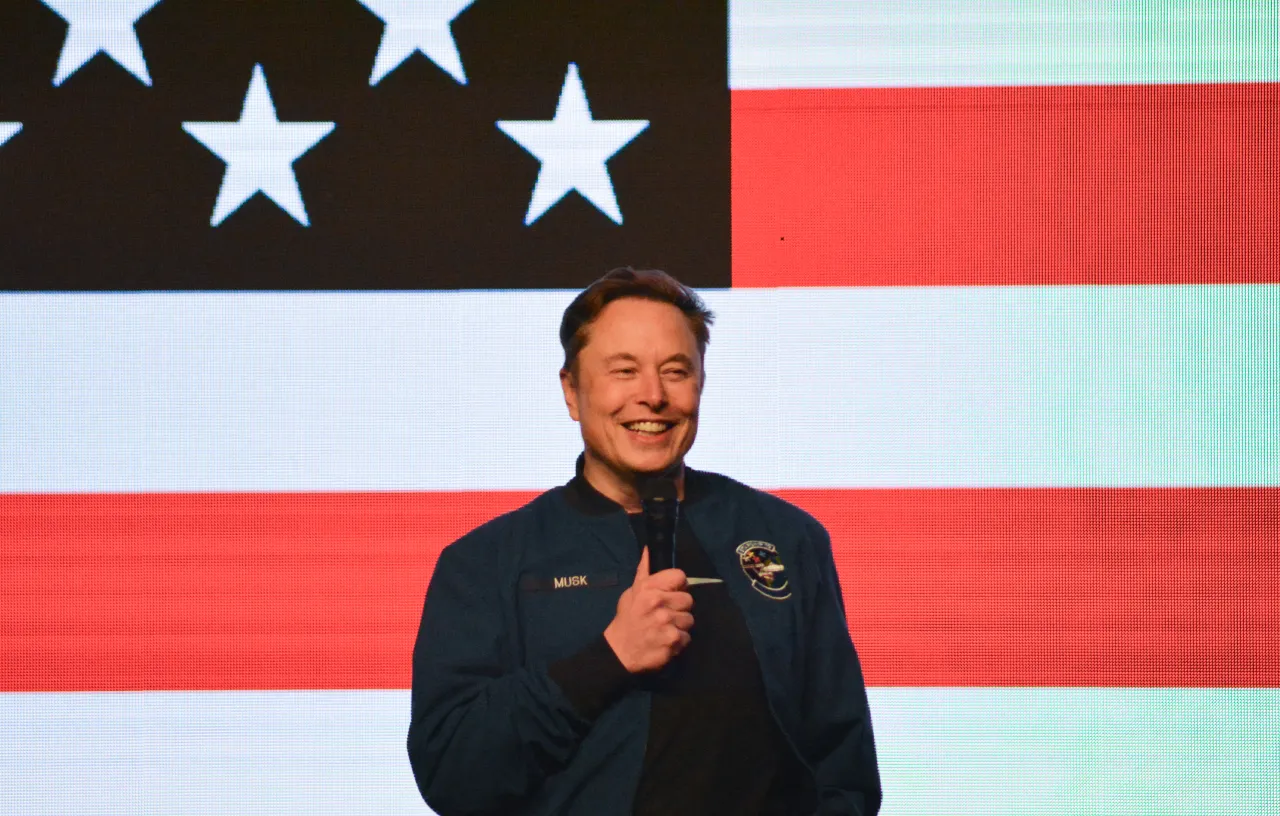
On the latest episode of TechCrunch’s Equity podcast, Kirsten Korosec, Sean O’Kane, and I discussed what the midterm elections mean for the tech sector. Sean pointed out that while Elon Musk donated $500 million to the Republican Party, he “doesn’t seem to have gotten much out of it”—and his companies are now headquartered in a state that has “surprisingly swung firmly toward the Democrats.”
Kirsten noted that while data centers may not have been the primary driver of the “blue wave,” they have increasingly become a grassroots issue—partly due to the approach taken by hyperscale data center operators and corporations during the project approval process. Now, we are seeing companies like OpenAI suddenly declare, “Actually, we can change our policy.”
Sean O’Kane: To start, let’s talk about the fact that one of the largest builders of data centers is also one of the biggest donors to the Republican Party. Elon Musk has contributed $500 million—and it’s possible the final tally is even higher—yet he doesn’t seem to have gained much from it. In fact, all of his current business ventures are based in a state that, in recent years—and perhaps for the first time in its history—has shifted firmly into the Democratic camp.
I think this is the biggest elephant in the room for many of these discussions. Furthermore, there have been various ballot initiatives across the country aimed at accelerating the construction of data centers. Almost all of these have been rejected. [In reality, many of the ballot measures—which sought to impose restrictions or a moratorium on data center construction—were almost all approved.]
With the Democratic Party in power—at least within the tech sector—there is a widespread belief that the development of data centers will face numerous hurdles. This is especially true in places like Texas, where figures such as Governor-elect Gina Hinojosa have explicitly identified data centers as a key campaign issue—one she intends to prioritize upon taking office after defeating Greg Abbott.
I feel the tech industry might be overstating the significance of this. I’d be curious to hear your take.
Anthony Ha: I don’t necessarily think they’re overstating it, though I can see why it might feel disproportionate—there certainly are a lot of ballot measures concerning data centers, but it’s not as if they’re on the ballot everywhere.
While the situation may vary slightly from one electoral district to another, there is an undercurrent—a trend that appears to be nationwide and, in many respects, transcends partisan lines—though the Democratic Party seems to have harnessed this energy more effectively. Certainly, there are many reasons for the Democrats’ strong performance on Tuesday, but anti-AI sentiment—specifically opposition to data centers—appears to be a significant factor. It has emerged as a rather potent political force.
The next two years, and perhaps even longer, will likely be increasingly difficult for tech companies, especially those operating hyperscale data centers. They also have reason to worry: will this issue persist—not just among those elected this year, but potentially through 2028 and beyond?
Kirsten Korosec: Exactly. I wouldn’t argue that the data center issue was the primary driver behind voter turnout or the so-called “blue wave.” However, it is worth noting that opposition to data centers has increasingly become a grassroots concern. This is partly because hyperscale operators and the companies behind them have often approached the approval process for these projects with a high degree of secrecy—frequently requiring elected or appointed officials to sign non-disclosure agreements (NDAs) and withholding details like the scale of the projects. This is particularly contentious in environmentally sensitive areas, such as the water-scarce American Southwest.
Consequently, many people—Republicans, independents, and Democrats alike—view this approach as fundamentally wrong. That is the root of their motivation, though it is certainly not the only issue at play.
Now, here is the interesting part. Previously, many insisted that AI companies could not possibly operate under any other conditions. Yet, companies like OpenAI are now suddenly saying, “Actually, we can change our policy.” They have just released what they call a “Blueprint for Compute Campuses.” And guess what? They are no longer requiring non-disclosure agreements. They intend to make their plans public and, by all accounts, are moving toward greater transparency.
I believe this demonstrates that when you create regulatory certainty in the market—or at least signal a shift in that direction—companies will respond. If you fail to do so, they may not necessarily act in the way we would like them to. Anthony: One point I’d like to highlight is that they’ve dubbed this policy the “compute campus policy.” Beyond the actual policy changes, part of the intent here is to rebrand “data centers”—a term that has taken on a decidedly negative connotation. So, they’re no longer “data centers”; they’re “compute campuses.” I’m curious to hear your thoughts—do you think this shift will actually work?
Sean: I mean, it’s just ridiculous. Come on—this doesn’t change a thing; it just creates more work for them. OpenAI keeps claiming they’re moving away from “side quests,” yet they’re still constantly chasing all sorts of different directions. This is just the latest example, and it really makes you wonder: why on earth are they wasting their time on this? It doesn’t seem like it will lead to any meaningful progress at all.
Kirsten: I have a great idea for OpenAI. In the spirit of making scary things adorable, they should absolutely create a mascot for their computing campuses—something cute—and use that mascot to stand in for the actual, power- and water-hungry data centers.
Anthony: If these are just going to be attractive-looking computing campuses, they might as well build their own offices there—or right next door—and see how that turns out.
I’m also wondering to what extent this election might be the second phase in a larger chain reaction. We’ve just seen a major shift in how Wall Street views many of these hyperscale data center and AI companies; investors no longer seem keen on pouring massive amounts of capital into building new data centers or sinking huge sums into computing infrastructure. Consequently, companies now have less of an economic incentive to build all these facilities.
I’m curious to see how this ultimately plays out. From a regulatory standpoint, building data centers could become increasingly difficult. Wall Street might no longer reward you for constructing them. Yet, at the same time, to reach the scale they’re aiming for, they may still find it necessary to build data centers somewhere.